
उपाशी न राहता वजन कमी करा.
काही वैज्ञानिक तथ्ये व व्यावहारिक क्लुप्त्या
१. जेवण करण्याचा कालावधी वाढवा. म्हणजेच तुम्ही १० मिनिटात जर जेवण संपवून ताटावरुन उठत असाल तर त्याऐवजी २० मिनिटे ताटावर बसा. म्हणजेच हळूहळू जेवा. जास्त वेळा चावून खा. ३२ वेळा चावण्याचा नियम पाळा. त्याने एकतर तोंडातील लाळ अन्नामध्ये जास्त प्रमाणात मिसळेल. लाळेमध्ये टायलिन नावाचे एंझाईम असते जे कर्बोदकांच्या पचनासाठी जरुरी असते. त्याशिवाय चांगल्या प्रकारे चावून-चावून खाले तर, आपल्या मेंदूमध्ये असणारे तृप्तीचे केंद्र लवकर समाधानी पावते व कमी जेवूनही पोट भरल्याचे समाधान होते. जेवण आपोआपच कमी होते व वजन कमी व्हायला मदत होते.
२. चव समजणार्या ग्रंथी जीभेच्या फक्त समोरच्या भागावर असतात. त्यामुळे चवीचा आनंद घेण्यासाठी अन्नपदार्थ जीभेच्या या भागावर जास्तीत जास्त वेळ राहणे गरजेचे असते. जीभेच्या पाठीमागे व शरीरातील पुढच्या संपूर्ण अन्नमार्गामध्ये कोठेही चव समजू शकेल अशा ग्रंथी नसतात. त्यामुळे अन्नाचा घास एकदा जीभेच्या मागे गेला की चव समजणे बंद होणार; मग बेसण खाल्ले काय किंवा श्रीखंड खाल्ले काय ! त्यामुळे चवीचा खरा आनंद घेण्यासाठी, शांतपणे पुरेपूर आस्वाद घेत रंग, गंध, चव या सर्वांसह अन्नाचा आस्वाद घेणे महत्वाचे असते. म्हणून अतिशय संथपणे व ध्यानपूर्वक जेवणाकडे पूर्ण लक्ष केंद्रित करुन जेवण केल्यास सुध्दा खाण्यावर व वजनावर नियंत्रण राखणे सोपे जाते.
३. आपले पोट-जठर हे volume Sensitive (आकारमान) आहे. त्यामुळे ते भरल्या जाणे महत्वाचे. कारण ते भरल्याशिवाय आपल्याला स्वस्थता मिळत नाही. मात्र ते कशाने भरायचे याच्याशी त्याला देणेघेणे नसते. चवीशी तर नक्कीच नाही. कारण जठरामध्ये कोणत्याही प्रकारच्या चव समजणार्या ग्रंथी नसतात. मग पोट असल्या गोष्टींनी भरायचे की ज्यामध्ये कॅलरीज् कमी असतील, पण आकारमान जास्त असेल. उदा. सूप, ताक, सलाद, अंकुरित कडधान्य, भाज्या व फळे.
४. जेवण करतांना रोज हॉटेलमध्ये बसून जेवण घेतो आहोत असे समजून जेवायचे. म्हणून हॉटेलसारखे प्रथम फक्त वाटीभर सूप वा ताक प्यायचे. नंतर सलादची डीश संपवायची. एखादी वाटी अंकुरित कडधान्य खावून घ्यायचे. त्यानंतरच मुख्य जेवण – वरण, भात, भाजी, पोळी वाढून घ्यायचे व पोट भरुन जेवायचे. म्हणजे मग उपाशी न राहताही वजन कमी करता येईल. मग जेवतांना किती खावू असा विचार करण्याची फारशी गरज राहणार नाही.
५. वजन कमी करण्यासाठी उपाशी राहण्याची गरज नसते किंवा उपाशी राहून कमी केलेले वजन फार काळ कमी राखता येत नाही. काही दिवसांनी ते पुन्हा वाढायला लागते व खूप वेळा तर आधीपेक्षा ही जास्त वाढते. जेवण कमी न करता सुध्दा सहजतेने वजन कमी करता येते व एकदा कमी झाले की पुन्हा वाढणार नाही याची काळजी पण घेता येते. त्यासाठी काही गोष्टी फक्त कमी प्रमाणात खाण्याची गरज असते. तेल-तूप व साखर गूळ व हे ज्या खाद्यपदार्थांमध्ये जास्त प्रमाणात आहेत असे पदार्थ मुख्यत्वे मोजून खाण्याची गरज असते. इतर पदार्थ न मोजता खाल्ले तरी फारशे बिघडत नाही. रेषेदार पदार्थ मात्र भरपूर प्रमाणात खायला हवेत.
६. एक किलो वजन कमी करण्यासाठी ८००० कॅलरीज् खर्च कराव्या लागतात. त्यासाठी पायी चालणे (जवळपास २०० किमी.), सायकल चालविणे, पोहणे यासारखा व्यायाम साधारणत: ३०-४० तास करणे गरजेचे असते.
७. वजन कमी करतांना फार घाई करु नये. साधारणत: दर आठवड्याला अर्धा ते एक किलो (महिन्याला २ ते ४ किलो) वजन कमी होईल अशाप्रकारे योजना बनवावी. यापेक्षा जास्त वेगाने वजन कमी करणे, आरोग्यास अपायकारक असू शकेल. ससा व कासवाच्या शर्यतीत, कासवच जिंकतो हे लक्षात ठेवावे.
८. वजन कमी करण्यासाठी खाण्यापिण्याच्या व शरीरश्रमाच्या ज्या सवयी स्वत:ला लावून घेण्याची गरज असते त्या सर्वांसाठीच हितकर असल्याने, घरातील सर्वांनीच तसा प्रयत्न करणे फायद्याचे राहील.
९. वजन कमी करण्यासाठी खात्रीचा उपाय म्हणजे आपला बीएमआर (चयापचयाचा वेग) वाढविणे. हा मुख्य त्वे आपल्या शरीरातील स्नायूंच्या प्रमाणात असतो. त्यामुळे व्यायाम करुन स्नायू बळकट करणे हे वजन कमी करण्यासाठी महत्वाचे असते. केवळ खाण्यातील बदलांनी फार काळ वजन कमी राहू शकत नाही.
१०. शरीरात जमा झालेल्या १ किलो जास्तीच्या चरबीसाठी शरीराला जवळपास २०० कि.मी. लांबीच्या रक्तवाहिन्यांचे जाळे नव्याने तयार करावे लागते. या वाढीव रक्तवाहिन्यांच्या जाळ्यामध्ये रक्त पोहचविण्यासाठी हृदयावरील ताण ही तेवढाच वाढतो. म्हणून वजन वाढू न देणे हे हृदयाचे व पर्यायाने आपले आयुष्य वाढविण्यासाठी आवश्यक व महत्वाचे असते.
आहार शास्त्राचे काही मूलभूत नियम पाळणे आरोग्यासाठी गरजेचे आहे.
अ. रोजची दोन जेवणे व नाश्ता इत्यादींमध्ये खालीलपैकी प्रत्येक गटातील एक पदार्थ असणे गरजेचे आहे.
१. धान्य- गहू, तांदूळ, ज्वारी, मका, बारी
२. द्विदल धान्ये – डाळी वा उसळी- तूर, चना, मूग, मटकी, बरबटी, उडीद
३. पालेभाज्या व ङ्गळभाज्या व ङ्गळे
४. उर्जा देणारे पदार्थ- स्निग्ध पदार्थ – तेल, तूप, लोणी, व साखर, गूळ
५. प्राणीज पदार्थ = दूध, दही, ताक वा मांसाहारी पदार्थ – अंडी, मासे, मटन
ब. शक्यतो कमीत कमी प्रक्रिया केलेले अन्न हे शरीरासाठी उपयुक्त राहील. कच्चा भाजीपाला सलादच्या स्वरुपात भरपूर खाल्ला पाहिजे. भाज्या कमीत कमी शिजवायला पाहिजेत. गाजर मूळा, काकडी, पत्तागोबी, मेथी, कांदा इत्यादि पदार्थ किसून त्यात चवीसाठी जीरा पूड, साखर, मीठ, दही घेतल्यास उत्तम,
क. जेवणामध्ये जास्त उर्जेचा साठा असणारे पदार्थ हे कमीच असावेत.
ड. आपली स्निग्ध पदार्थाची गरज दिवसाला २० मिली प्रति व्यक्ती, म्हणजेच महिन्याला ६०० मिली असते. आपल्याकडे खाल्ल्या जाणारे स्निग्ध पदार्थांचे प्रमाण हे गरजेपेक्षा कितीतरी जास्त (३ ते ५ पट) असते. मसालेदार तर्रीवाल्या भाज्या व तळलेले पदार्थ; शिवाय बरेचदा वरुन घेतले जाणारे तेल, तूप, तेल लावून केलेल्या पोळ्या, तूप लावलेल्या पोळ्या, सायीचे दही इत्यादी सवयी यासाठी कारणीभूत ठरतात. जास्तीच्या स्निग्ध पदार्थांचे शेवटी शरीरात चरबीमध्ये रुपांतर होते व वजन वाढते.
हे झाले दिसणार्या स्वरुपातील स्निग्ध पदार्थांबाबत. याशिवाय अप्रत्यक्ष स्वरूपातील स्निग्ध पदार्थ म्हणजे शेंगदाणे, तीळ, नारळ वा काजू-बदाम, खव्याची मिठाई इ. हे पण रोजच्या आहारातील स्निग्ध पदार्थांचा हिशोब करतांना मोजावे लागतात. हे सर्व पदार्थ शेवटी चरबी वाढवितात.
यावर खात्रीलायकरित्या नियंत्रण मिळवण्याचा उत्तम उपाय म्हणजे दरमहा घरात येणारे तेल-तूप हे जास्तीत जास्त माणशी ६०० मिली असा हिशोब करुनच आणावे व कटाक्षाने संपूर्ण महिना तेवढ्यातच सर्व भागवावे.
साखर मुख्यत्वे चहा, कॉफी, बेकरीचे पदार्थ व मिठाई याद्वारे शरीरात जाते. एका कपाला २ चमचे साखर असेल तर व दिवसाकाठी ४-५ कप चहा होत असेल तर जवळपास ५०-६० ग्राम साखर शरीरात जाते. हे प्रमाण कमी करण्यासाठी एक तर चहातील साखरेचे प्रमाण कमी करावे लागेल किंवा चहा घेण्याचे प्रमाण कमी करावे लागेल. तसेच मिठाई व गोड पदार्थ आवडतात म्हणून पोटभर न खाता प्रमाणात खावे लागतील.
ताजे व स्वच्छ अन्न : दिर्घायू व निरोगी जगण्यासाठी अन्नपदार्थांबाबत ही दोन तत्वे महत्वाची. ताजे म्हणजे निसर्गामध्ये तयार झालेल्या मूळ अवस्थेत अन्न पदार्थ वापरणे. निसर्गात तयार झालेल्या वस्तू फार काळ टिकत नाही. त्या टिकाव्यात म्हणून त्यावर नाना प्रकारच्या प्रक्रिया कराव्या लागतात. उदा. कैर्या वर्षभर खाता याव्यात म्हणून लोणचे बनवून टिकवावे लागते. तेल जास्त दिवस चांगले रहावे यासाठी रिफाईनिंग सारख्या रासायनिक प्रक्रिया कराव्या लागतात. तांदूळ जास्त दिवस टिकावेत म्हणून पॉलिशिंग करावे लागते. कारण पॉलिश केलेल्या तांदूळाला किड लवकर लागत नाही. पण त्यामुळे अन्नपदार्थांचे पोषणमूल्य कमी होते.
स्वच्छ म्हणजे केवळ दिसण्याच्या बाबत नाही; तर रसायनमुक्त अन्न, निसर्गात तयार झालेल्या मूळ स्वरुपातील ताजे अन्न म्हणजे स्वच्छ. कोणतेही रसायन अन्नपदार्थ तयार करण्यासाठी न वापरणे म्हणजे स्वच्छ अन्न. आज शेतीमध्ये इतक्या जास्त प्रमाणात खते व किटकनाशकांचा वापर केला जातो की जवळपास सर्वच अन्नपदार्थांमध्ये काही प्रमाणात त्यांचे अंश शिल्लक राहतात व ते आपल्या शरीरात सुध्दा जातात. ती शरीरात गेल्यावर त्यांचे नेमके काय होते, ते शरीरात किती दिवस साठविले जातात, त्यांचे शरीरावर काय परिणाम होतात याबाबत अद्याप पावेतो तरी विज्ञानाला फारशे कळलेले नाही. पण यातील बहुतेक सर्व रसायने ही अत्यंत जहाल विषारी पदार्थ असून, त्यांचा थोडाही अंश मानवी आरोग्यासाठी घातक ठरु शकतो असे मानण्यास बराच आधार आहे. त्यामुळे रसायने न वापरता तयार झालेला भाजीपाला, फळे व इतर अन्नपदार्थ मिळविणे आरोग्यासाठी महत्वाचे. त्यासाठी मग जास्त पैसे मोजावे लागले तरी ते अंतिमत: फायद्याचेच ठरेल.
त्याचप्रमाणे अन्नपदार्थ जास्त टिकले पाहिजेत यासाठी (शेलफ लाईफ वाढविण्यासाठी) त्यांच्यावर निरनिराळ्या प्रक्रिया करण्यात येतात. यातील बर्याचशा प्रक्रिया या रासायनिक पदार्थांचा वापर करुन केल्या जातात. या रसायनांचे अंश मानवी शरीरात जातात. हे सर्व अस्वच्छ अन्न होय. ते कमीत कमी खायला हवे.
महात्मा गांधींनी एका वाक्यात आहारशास्त्राची सुंदर व्याख्या केलेली आहे. ते म्हणतात की ज्या वस्तू नासतात, सडतात, खराब होवू शकतात त्या वस्तू बहुधा आरोग्यासाठी चांगल्या असतात. ज्या वस्तू नासत नाही, सडत नाही, खराब होत नाही त्या वस्तू आरोग्यासाठी बहुधा चांगल्या नसतात. आज बनविलेली पोळी, भाकरी, भाजी उद्या बुरशी येवून खराब होते; म्हणून पोळी, भाकरी, भाजी खाणे आरोग्यासाठी चांगले. याउलट बिस्किटसारख्या पॅकिंगच्या वस्तू या महिनोन महिने टिकतात म्हणून त्या आरोग्यासाठी चांगल्या नाहीत. काय खावे व काय खावू नये याची याहून सोपी कसोटी आणखी काय असू शकणार !
बिनातेलाची फोडणी : आपल्याकडे सर्व प्रकारच्या भाज्या बनवितांना फोडणी देणे हा प्रकार असतोच. कढईतील तेल तापले की त्यामध्ये आधी मोहरी व जीरे टाकायचे. ते तडतडते व फुटायला लागते. मग त्यात हिंग, हळद व इतर मसाल्याचे पदार्थ टाकायचेत. काही वेळा लसण, अद्रक व कांदा बारीक करुन टाकल्या जातो. हे सर्व मिश्रण तेलामध्ये भाजून झाले की त्यात भाजी वा जे काही बनवायचे तो पदार्थ टाकायचा; रस्सेदार भाजी बनवायची असेल तर पाणी घालायचे, सुकी भाजी बनवायची असेल तर तशीच कोरडी शिजवायची. अशा पध्दतीने भाज्या, आमटी वा अन्य पदार्थ बनविल्या जातात. काही वेळा फोडणी तयार झाली की ती कोशिंबिर, काही भाज्या, वरण यासारख्या पदार्थावर वरुन टाकायची अशी पण पध्दत आहे.
तेलातूपाचा एक थेंबही वापरायचा नाही, म्हणजे फोडणी द्यायचीच नाही का असा प्रश्न बहुतेकांच्या मनात येतो. खरेतर पथ्य फक्त तेलातूपाचे आहे व तेवढेच फक्त वापरायचे नाही आहे. त्यामुळे तेलातूपाचे पथ्य सांगितले की बहुतेकांना ते अशक्यच वाटते. कारण तेलतूप खायचे नाही म्हणजे मग फक्त उकडलेलेच खायचे असा बहुतेकांचा समज होतो. असे उकडलेले बेचव अन्न आयुष्यभर कोण व कसे खाणार हा यक्षप्रश्न पडतो. तेलतूप न वापरता फोडणी देता येते व तेलाशिवाय एरव्ही फोडणीत वापरल्या जाणारे इतर सर्व पदार्थ वापरता येतात हे लगेच ध्यानात येत नाही. चव ही फक्त तेलातूपावर अवलंबून नसते तर ती फोडणीसाठी वापरल्या जाणार्या या सर्व पदार्थांमुळे असते हा फरक चटकन ध्यानात येत नाही.
तेला तूपाचा एक थेंब ही न वापरता भाज्या बनविता येतात ही बाब बहुतेकांना आश्चर्यकारक वाटते. खरेतर त्यात काहीही कठीण नसते. कधी पाहिले-ऐकलेले नसते म्हणून तसा समज आहे. यासाठी नेहमी फोडणी देतो तशीच सर्व तयारी करायची. कढई गरम करायची. मोहरी व जीरे भाजून ठेवायचे. कढई गरम झाली की हे भाजलेले मोहरी-जिरे कढईत टाकायचे. ते तडतडत फुटते. नंतर इतर गोष्टी कढईत टाकायच्यात. जसे लसण व कांदा. मंद आचेवर परतत राहत ते भाजायचे. खाली लागू नये यासाठी फारतर थोडे पाण्याचे सिपकारे मारत रहायचे. नंतर इतर गोष्टी नेहमीच्याच पध्दतीने करायच्यात. रस्सेदार भाजी असेल तर पाणी टाकल्या जातेच व खाली लागण्याचा प्रश्न येतच नाही. सुकी भाजी बनवायची असेल तर, कांदा वापरलेला असल्यास त्याचा चिकटपणा व ओलसरपणा यामुळे खाली भाजी लागत नाही.
अशाप्रकारे जवळपास सर्वच भाज्या बिना तेलाच्या बनविता येवू शकतात. चवीमध्ये ही काही सुध्दा फारसा फरक न पडता. दिसण्यामध्ये जरुर थोडा फरक जाणवू शकेल. चवीचा व तेलाचा संबंध आपल्या डोक्यात पक्का बसलेला असल्याने फक्त असे वाटेल. हा संबंध पूर्णपणे काढून टाकावा लागेल.

==============
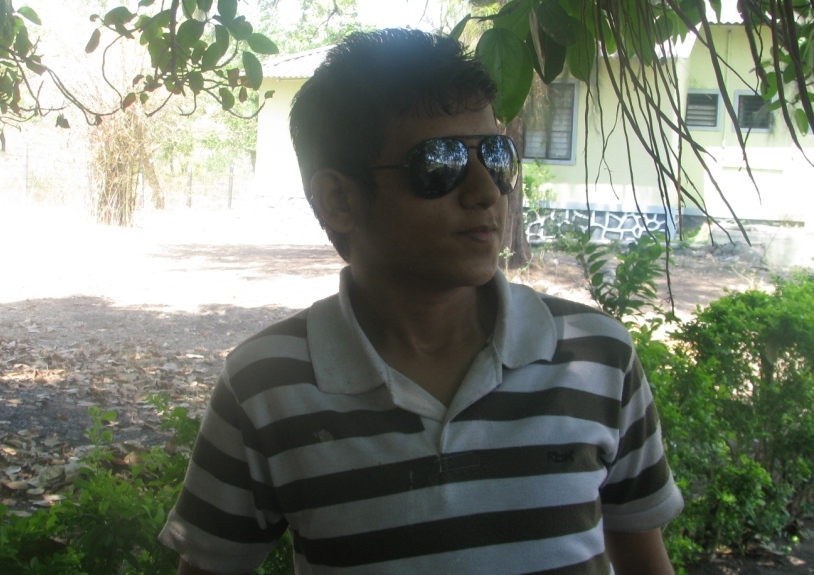
 एक पालक म्हणून हि त्यांच्यापासून बरेच शिकण्यासारखे आहे. एकुलता एक मुलगा गौरवसाठी ते आवर्जून वेळ काढायचेत, त्यामुळे ते त्याचामित्र बनू शकलेत. त्याला आग्रहपूर्वक मराठी माध्यमाच्या शाळेतच शिकविले, फाज़िल लाड केले नाहीत. १८ वर्षपर्यंत त्याला स्कुटर चालवू दिली नाही. सगळीकडे त्याला सोबत घेऊन त्याला गरिबी व इतर गोष्टी दाखविल्या. त्यामुळे कदाचित तो आज त्यांचा सामाजिकतेचा वारसा चालवितो आहे.